
Hi, I'm Carrie.

Taught before they're recruited.

Youth sports keep getting more competitive, earlier. More teams, more seasons and less downtime, often before kids have been taught how to move, fuel and handle pressure. It happens in travel and rec alike, and families and volunteer coaches are left to figure it out on their own.

I'm a former NCAA athlete, a youth coach and a mom of two boys who love sports. I built Rooted Academy to refocus youth sports on whole-athlete development: research-backed guidance for families, and a development-first program that helps clubs support athletes in their own communities.

Children should never feel like they are being recruited before they are taught.
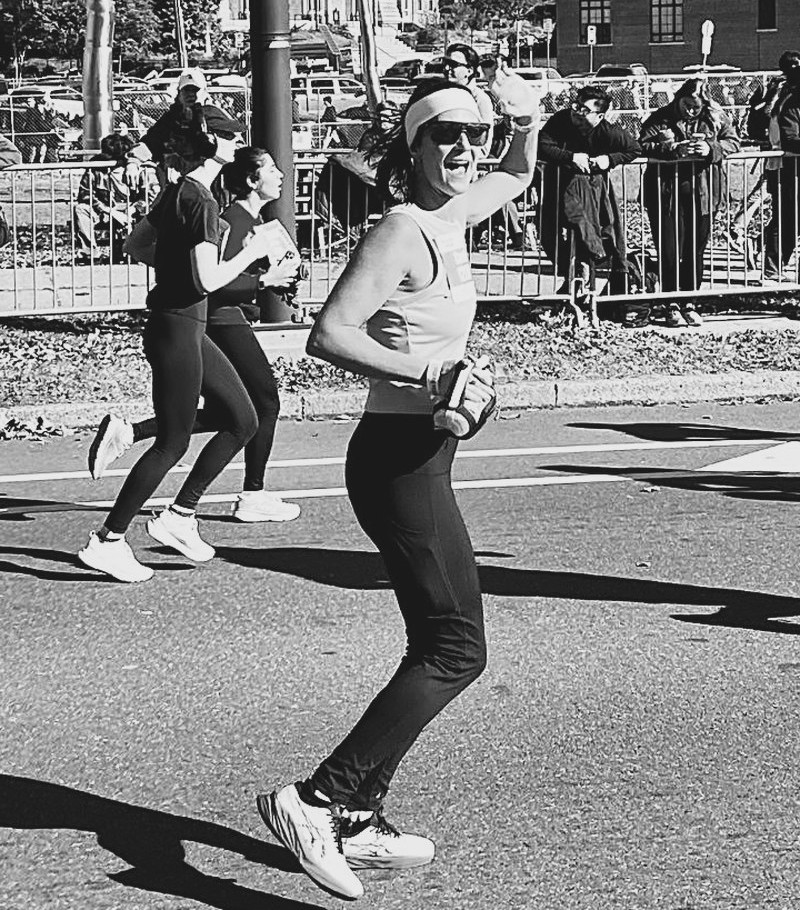
Carrie waving and smiling mid-race
Read my thesis

The more I watched my own kids develop, and the more I coached, read, and learned, the more curious I became. Why are kids specializing so young? How does nutrition affect growth, strength and recovery? What does healthy development actually look like? Are we pushing kids too hard, too young? What are they missing out on when we do this?

My own thesis: a lot of what looks like "overprogramming" isn't one travel team or one sport. It's kids on multiple travel teams across multiple sports at 8 and 9 years old. The pressure is real: skipping a season can mean falling behind, or missing development opportunities only available at the club level. It's especially hard for parents raising kids who are genuinely talented and want to compete.

Rec options don't always help. From my perspective, rec sports are deteriorating and under-resourced, and increasingly, they're chasing the same win- or record-driven outcomes that used to be travel's problem alone. Much of the rec experience depends on the luck of the draw: whether the coach you're placed with understands a development-first mentality, whether they're supported by the club's umbrella infrastructure (if one even exists), and whether that infrastructure is cohesive and intentional. In my experience, it's rare that those things align, and my kids learn more in my backyard than they do in a 24-practice, 12-game rec season.

In either model, travel or rec, kids risk losing the downtime that actually builds resilient, confident athletes when multiple sports are stacked together, season after season. This is a problem at every level, and it needs solving.

As a parent in this maddening dilemma myself, I've leaned into my own drive to learn and grow, for my kids' sake. What I've found feels like something that can help other families too. That's the health and nutrition guidance and age-appropriate development guardrails I think every young athlete deserves.
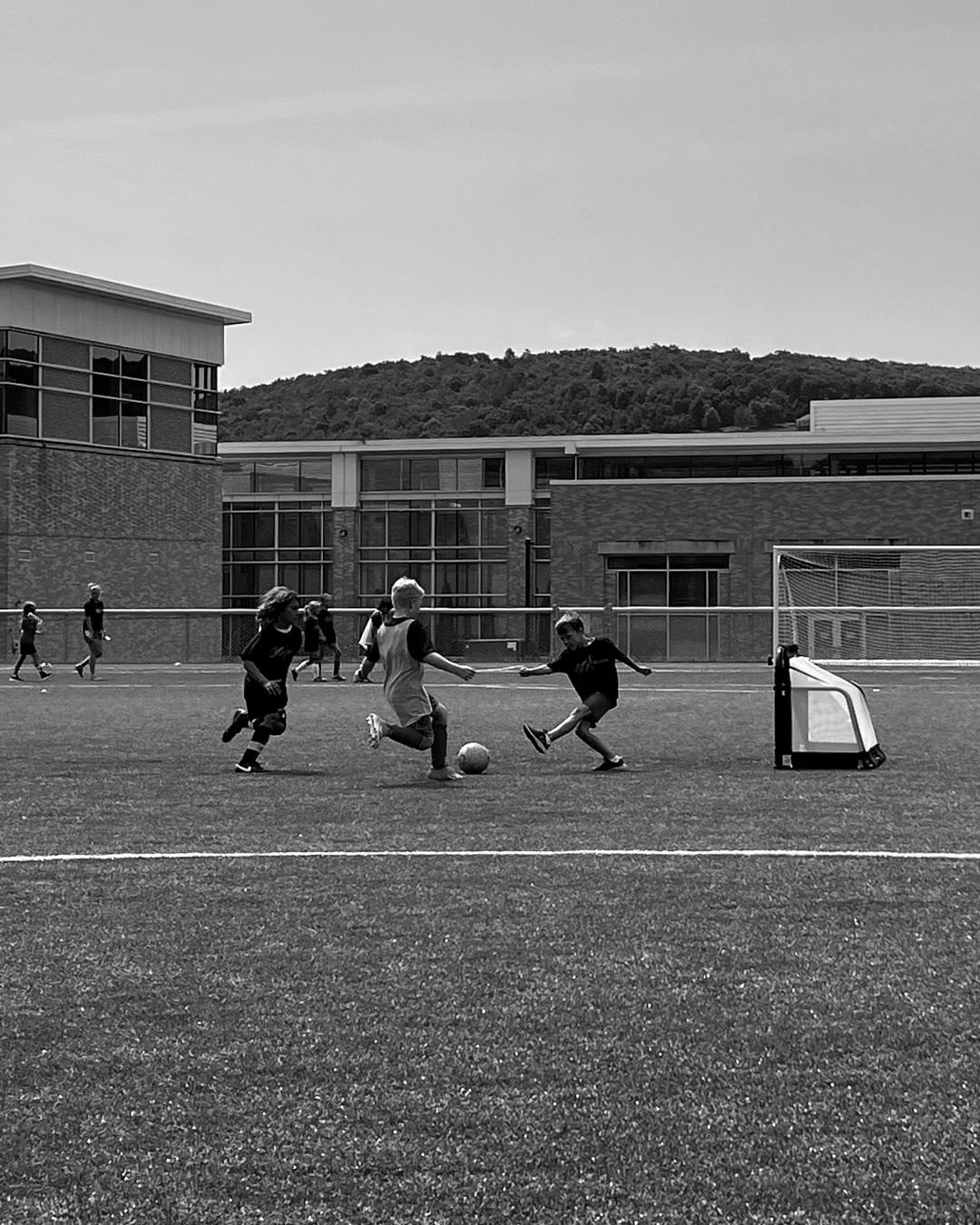
Three young athletes challenging for the ball mid-play
Development Before Competition

The Development Culture™ Manifesto

Today, the pathway gets competitive & demanding early.

The learning window is shrinking for kids ages 6 to 12. There's a large pool of athletes who aren't yet on a competitive pathway, and the reasons are as varied as the kids themselves. Some need more intentional training first, since every athlete develops and matures on their own timeline. Others are choosing family balance, trying out multiple sports, or working around real barriers like the cost of travel ball. Whatever the reason, not every developing athlete needs the same competitive pathway. But every developing athlete can benefit from great training.

Why we exist: build the athlete, performance will follow. The goal isn't to create the best 9-year-old. It's to help each 9-year-old become the best athlete they can become, with a long-term, whole-health lens.

Physical

Physical Development & Body Health

Movement quality, coordination, balance, agility, strength & mobility, nutrition and health knowledge appropriate to the athlete's age.

Skill

Fundamental Sport Skills

Fundamental sport skills taught progressively and intentionally, before competition demands them.

Game IQ

Tactical Awareness + Decision Making

Reading the game, making decisions, solving problems, understanding why, not just following instructions.

Mind

Mental + Emotional Development

Confidence, resilience, emotional regulation, and separating self-worth from performance.

Character

Character + Team Development

Leadership, accountability, sportsmanship, communication, and contributing to something bigger than oneself.

See how clubs put it into practice →
What guides the work

Three principles

01

Whole-body health

Age-appropriate guardrails for every part of development, the parts you can see (strength, mobility) and the parts you can't (mental health, confidence, resilience).

02

Built for the long run

Development that holds up over years, made stronger when parents and clubs move in the same direction.

03

Curiosity & education

Asking better questions, then sharing what the research says in plain language.

@therootedacademy

This is where I'm sharing what I'm learning, day to day.

Follow on Instagram
The athlete behind the brand
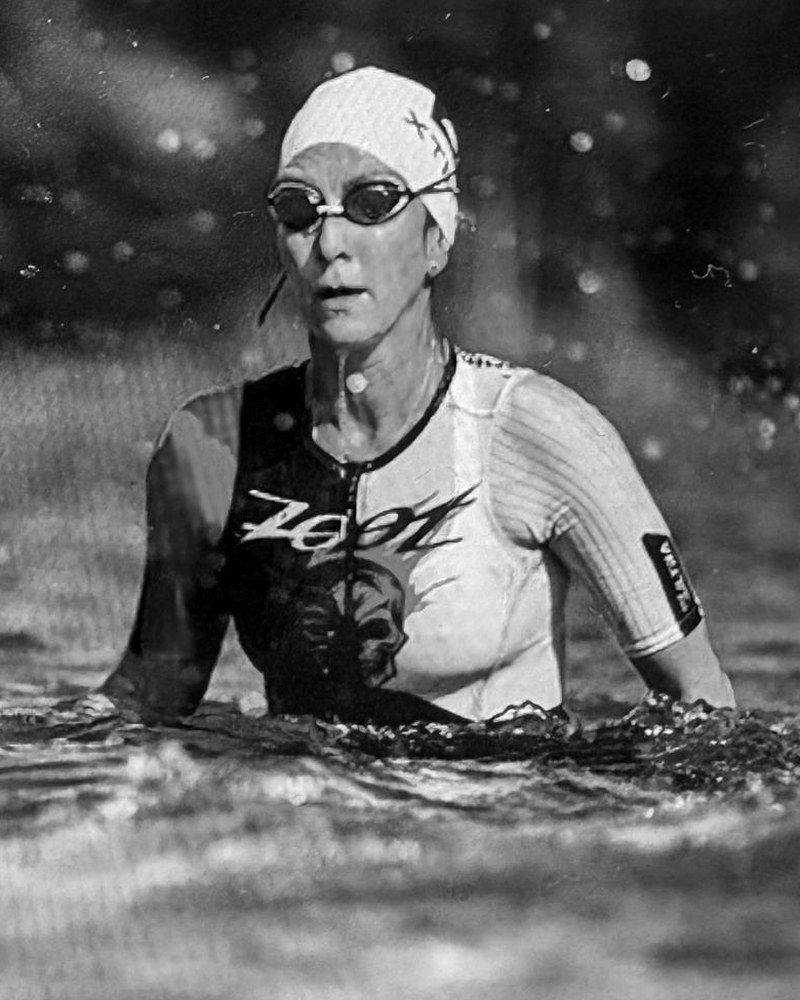
Carrie in open water during a triathlon swim
Growth

Marketing, communications & growth executive

NCAA

Former collegiate softball player. Go Bobcats!

8 yrs

Coaching softball & volleyball at the high school level, boys' baseball at multiple levels

HMS + HBS

Harvard Medical School Nutrition Certificate, and Harvard Business School – Business Leadership Program

Mom

To two boys, my favorite athletes to cheer on.

Lifelong athlete

Distance runner, triathlete, and always up for anything with a bat, a ball, and a friendly wager.